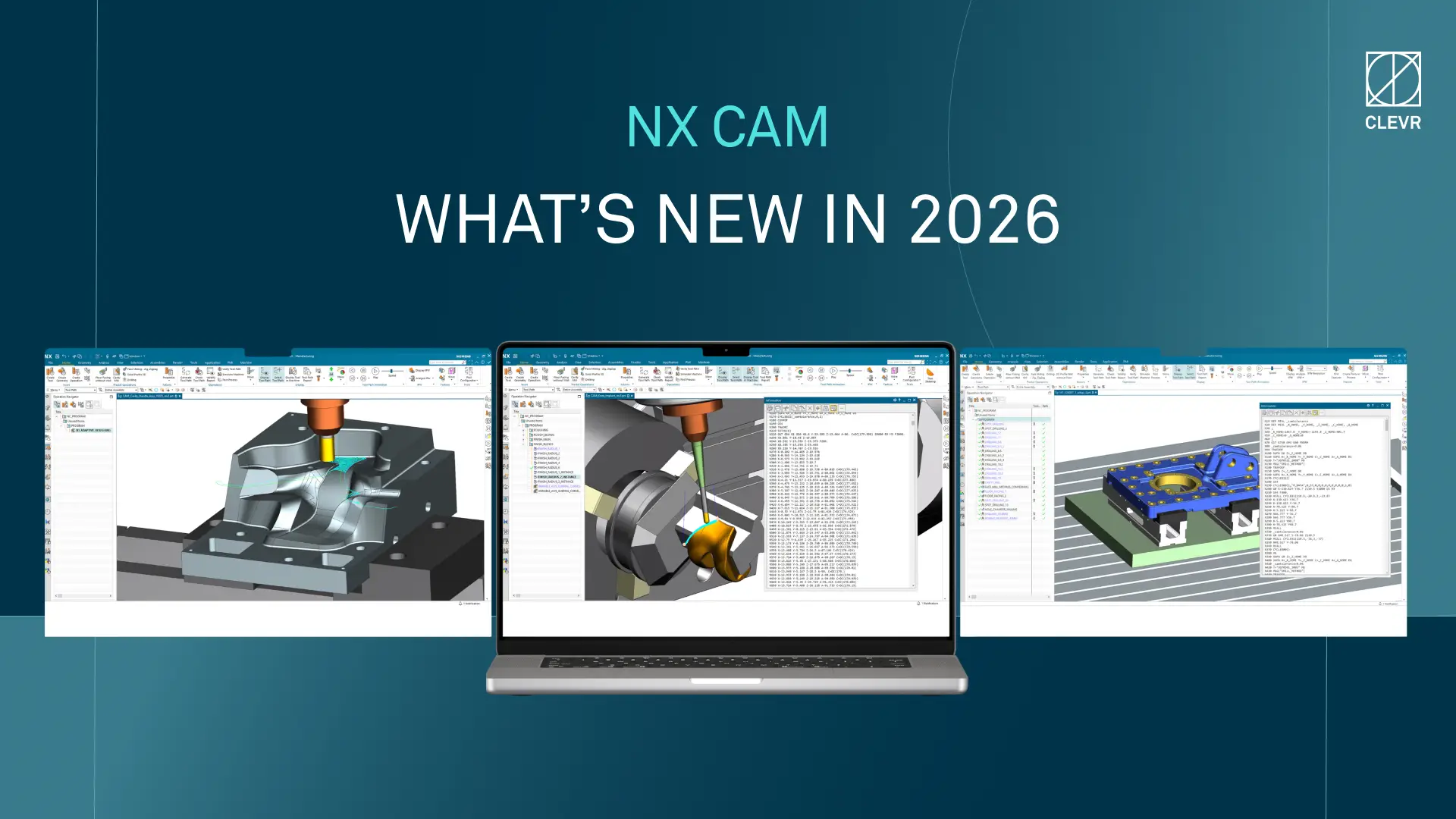
The differences between CAM systems no longer come from what they can do, but from how efficiently, predictably and automatically production runs with them.
When looking for a CAM solution, the discussion often focuses heavily on technical details. Does the software support milling, turning or multitasking machines? Are postprocessors available? Is the user interface easy to learn?
These are still relevant questions, but to be honest, they no longer differentiate solutions. Almost all modern CAM systems can handle the same basic tasks. The real question is no longer what the software can do, but how efficiently and predictably production works with it.
In many machine shops, CAM programming is still largely an individual effort. This is actually a fairly universal challenge across many industries. An experienced programmer can get things done quickly, but at the same time dependency on that person increases. Knowledge stays in people’s heads and does not scale. This becomes visible when workload increases or new people join. In a modern environment, this should no longer be an acceptable starting point.
Guided processes
CAM software should enable programming to become a guided and repeatable process, not manual work. When geometry is automatically recognized and machining strategies are selected based on rules and “company best practices”, programming shifts from an individual task to an organizational capability. At that point, we are talking about productivity, not just a tool.
In practice, the software recognizes typical features in the model, such as holes and pockets, and automatically assigns tools and cutting parameters based on predefined practices. PMI data, such as tolerances and surface finish, guides the selection of the correct machining strategy. For example, tighter tolerance holes can be finished by reaming to achieve the required tolerance range. This reduces manual work and shifts the programmer’s focus to areas where automation does not yet apply or is not sufficient.
Another often underestimated topic is the relationship between CAD and CAM. In many companies, these still operate separately, even though they should not. When models are transferred between systems, gaps are introduced, and data translations can degrade the model. Changes do not update, errors occur and time is wasted. When CAM operates in the same environment as design, the situation changes significantly. Programming can start before the design is finished, and changes update automatically. This is not just a convenience, it directly impacts lead times and error rates. In practice, it is about doing things right once instead of fixing them multiple times.
The importance of simulation
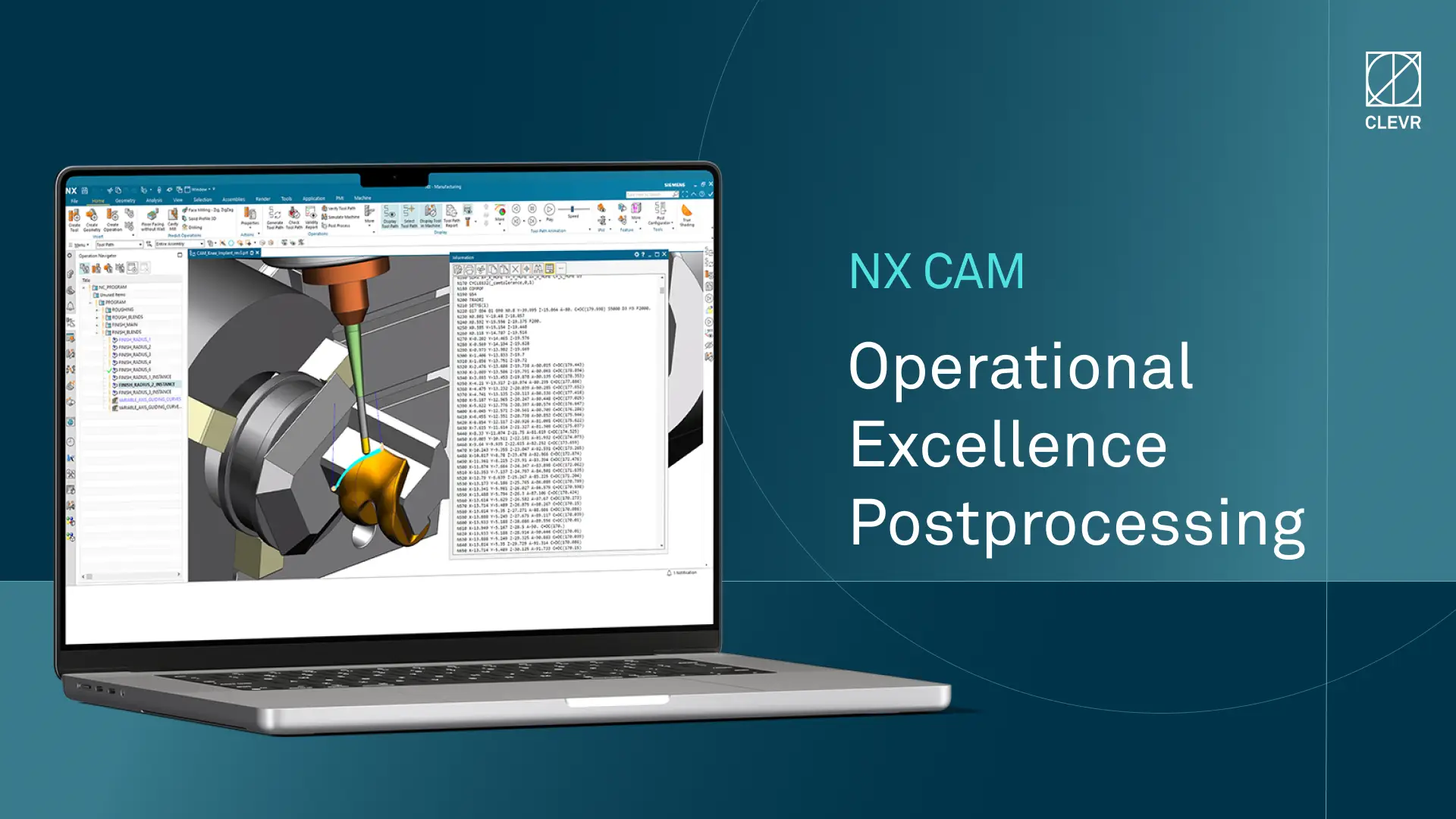
Simulation is another topic that is often mentioned, but its importance is not always fully understood. Simply visualizing a toolpath does not show what the machine will actually do. If simulation is not based on NC code and real machine kinematics, uncertainty remains. A modern CAM solution should allow the program to be run digitally before it is sent to the machine. When simulation is based on postprocessed NC code and can be taken all the way to controller logic level, the digital and physical worlds start to match. Collisions, errors and even cycle times can be evaluated in advance. In practice, this means that you no longer test on the machine, but production can start as it was planned.
Postprocessors have traditionally been one of the biggest concerns, but at the same time their importance is often underestimated. The discussion easily focuses on CAM software features and what can be programmed. In reality, CAM is only as good as its postprocessors. Programming can be smooth and the interface easy to use, but if the postprocessed NC code does not control the machine correctly, the program itself has no real value.
In the worst case, a poor or incorrect postprocessor leads to wrong machine movements, lower quality or even tool and machine damage. For this reason, the postprocessor should not be seen as a single technical component, but as a critical part of the whole manufacturing process. The key is not only that postprocessors are available, but how they are managed, developed and validated as part of the overall solution.
This is where NC simulation becomes especially important. When the postprocessed code can be validated digitally with machine kinematics and even controller logic, it is possible to ensure that the program works correctly before it reaches the machine. This means validating not just the toolpath, but the entire machining process. At its best, this speeds up the commissioning of new machines and significantly reduces production risks.
The number of axes
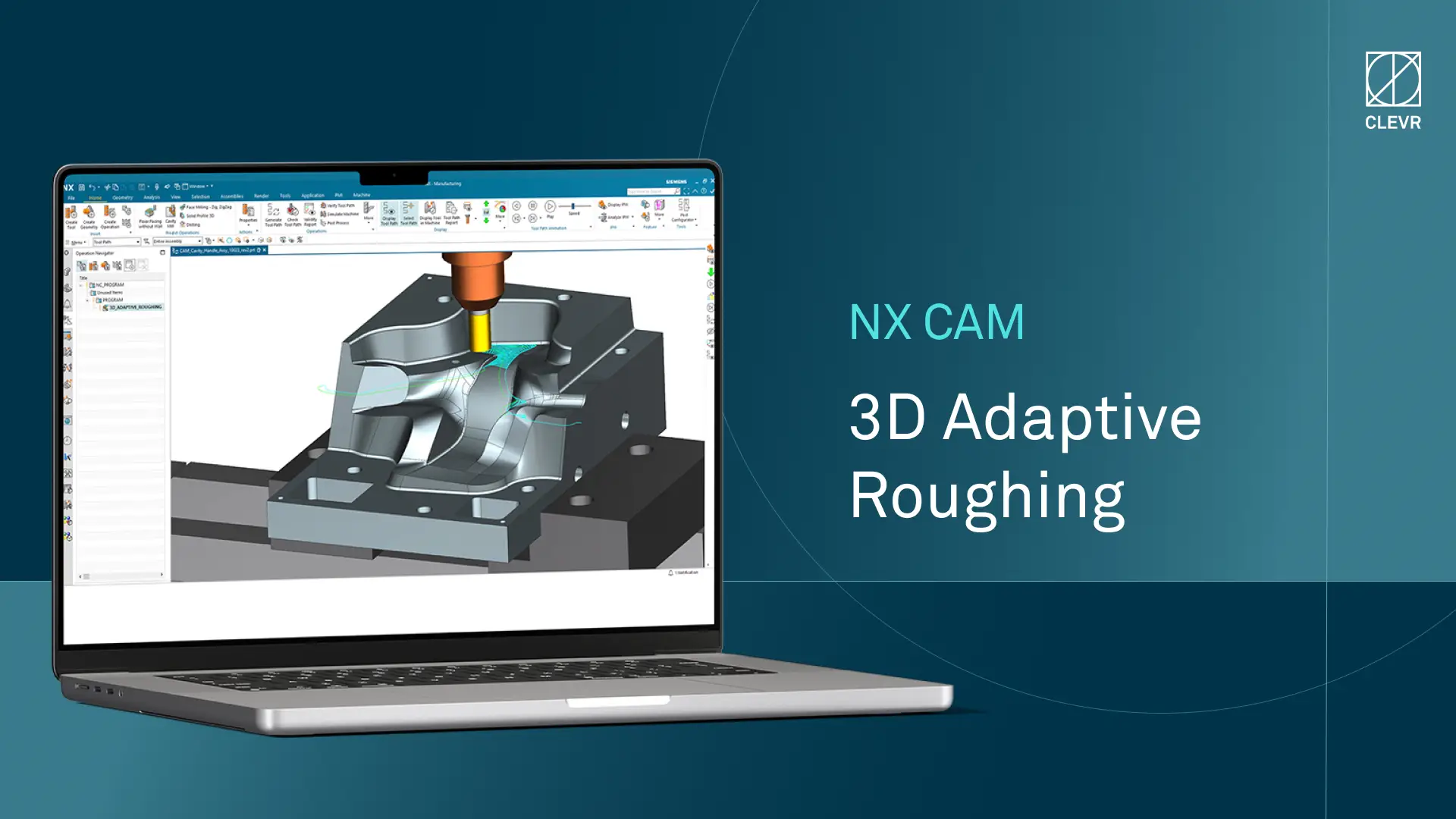
When discussing technical capabilities, the conversation still often turns to the number of axes. It is worth stating that modern CAM solutions cover different machine types and machining methods quite broadly, from basic milling and turning to advanced multi-axis and multitasking machines. However, this is no longer the first discussion that should be had.
Whether the software supports 5-axis machining, how many channels can run simultaneously and so on are valid questions, but they do not define everyday efficiency. Most machining is still 3-axis or 3+2 machining, and continuous 5-axis machining is used where it truly adds value. What matters is not what is possible, but how easily and reliably the most common tasks can be completed. If programming requires a lot of manual work and adjustments, errors will increase. When the system supports and guides the user, the result becomes more consistent and predictable.
AI is coming
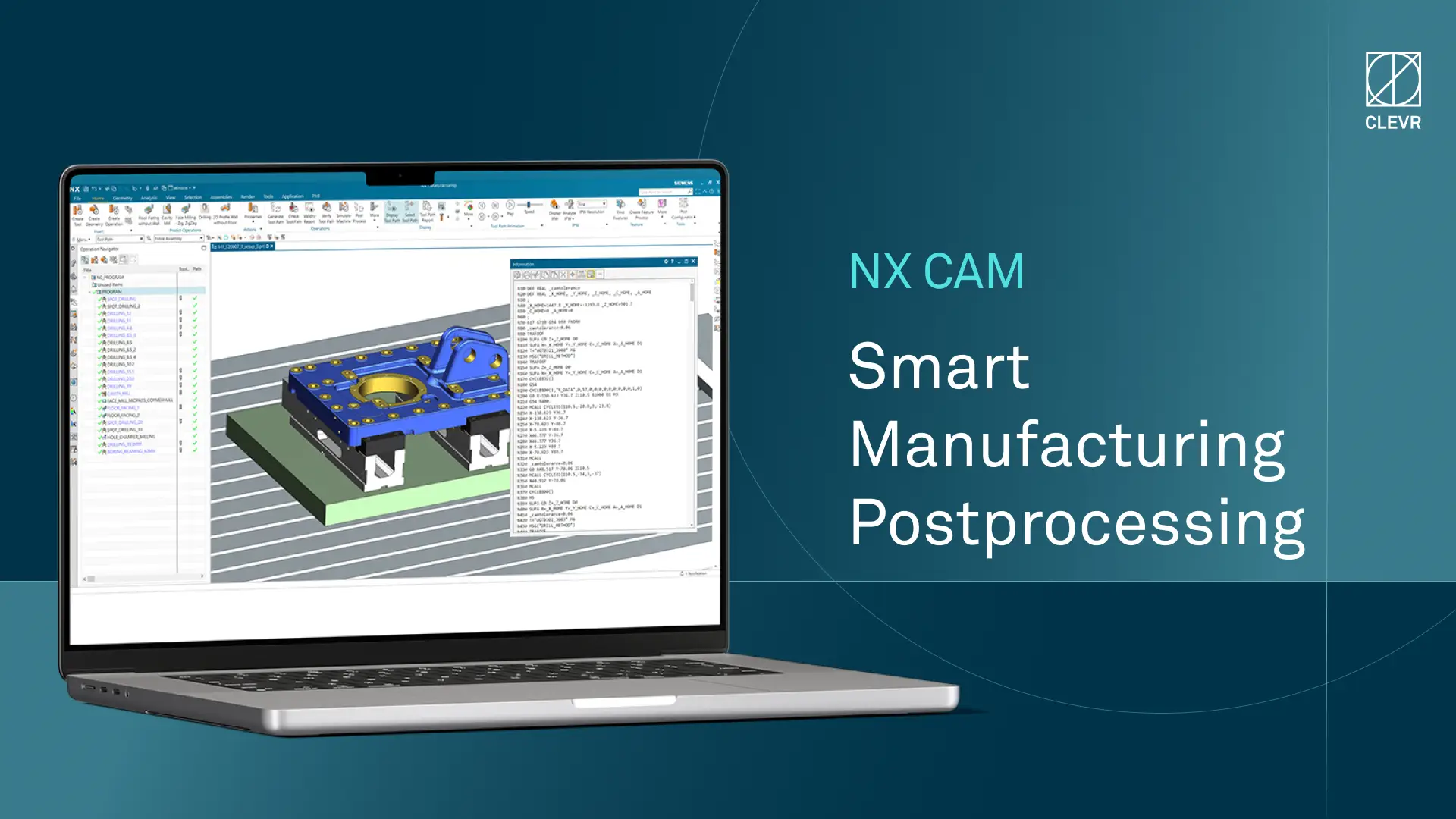
Artificial intelligence is the latest addition to CAM discussions, and it is no longer just marketing talk. Its value is not in doing everything for you, but in supporting the user at the right moments. When the system learns from user behavior and suggests next steps or parameters, work becomes faster without losing control. At the same time, ways of working become more standardized. The more the system is used, the better it becomes. This is one of the most effective ways to reduce dependency on individual expertise.
One of the most significant changes in recent years is that CAM is no longer a standalone tool. It is part of a larger ecosystem that includes product data management, production control and overall manufacturing process planning. When the same data flows through the entire chain from design to production and back, transparency is created. When this is combined with production data and analytics, it goes beyond visibility. Bottlenecks can be identified, processes optimized and decisions made based on data instead of assumptions. At its best, the system can provide insights that individuals or organizations would not otherwise see.
This is not only relevant for large companies. More and more smaller companies benefit from having a controlled process instead of a collection of separate tools. The machines themselves have not changed in the same way – lathes and milling machines still do what they were originally designed to do. Their value comes from their technical capabilities and control, but development is happening faster in software and digital tools.
Digitalization is no longer a choice, it is a requirement to stay competitive. Regardless of company size, the same rule applies: those who can use data and connect their processes will outperform those who cannot.
More than a software decision
Choosing a CAM system is no longer just a software decision. It is a decision about how far you want to take your production. Not every solution is for everyone, and it does not need to be. For simpler production, a lighter solution can be enough. But as parts, machines and processes become more demanding, the overall solution becomes more important. That is where the real differences between systems start to show.
Originally published here.

Find out how CLEVR can drive impact for your business

FAQ
Can't find the answer to your question? Just get in touch
